
Ringing in Your Ears After Chemo or During Menopause? A Tinnitus Guide for Women
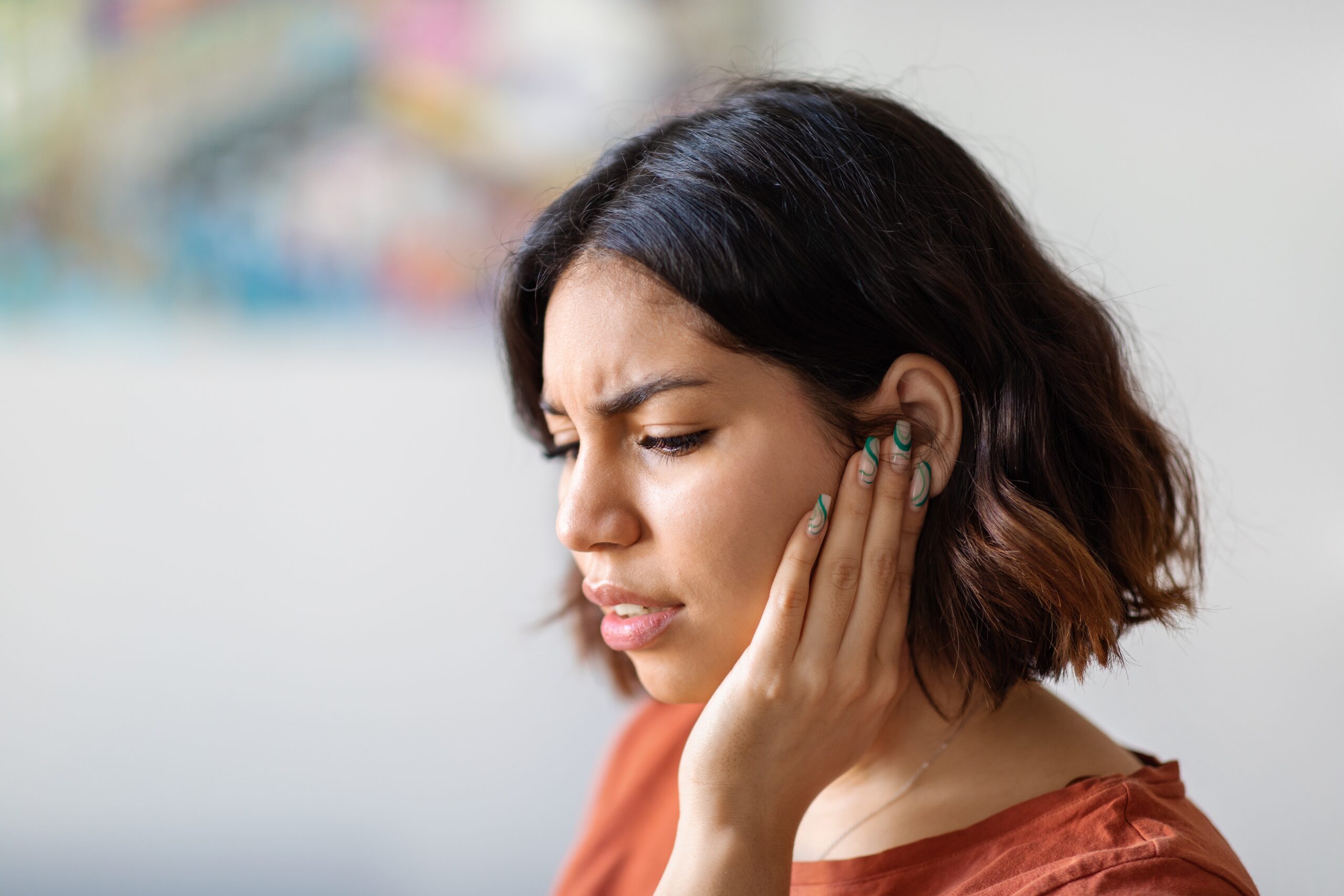
Ringing, buzzing, or hissing that shows up during cancer treatment or around menopause is real, it is common, and it can be treated. At Tinnitus Doctors of New Jersey, we see many women who were told the noise is just a side effect they have to accept. We disagree.
This guide explains why tinnitus can start or get louder during these two life stages, and what you can do to quiet it.
Tinnitus During and After Breast Cancer Treatment
Some chemotherapy medications can affect the delicate cells of the inner ear. When that happens, the brain may respond by creating its own sound, which you hear as tinnitus. It can begin during treatment or months afterward, in one ear or both.
Women in treatment often notice the ringing most at night, when the house is quiet and there is nothing to mask it. Because you are focused on getting well, it is easy to brush off. But early attention gives you more options.
Tell your oncology team, and consider a tinnitus evaluation, if you notice:
- Ringing, buzzing, humming, or hissing that is new or getting louder
- Sound in only one ear, or a pulsing sound that matches your heartbeat
- Tinnitus that keeps you from falling asleep or wakes you up
- Sensitivity to everyday sounds that never bothered you before
Never stop or change a cancer medication on your own. Your oncologist and our audiologists can work together so your treatment stays on track while your tinnitus is managed.
Menopause, Hormones, and Ringing in the Ears
Researchers have found estrogen receptors along the auditory pathway, the route sound travels from the ear to the brain. As estrogen rises and falls during perimenopause and menopause, some women notice tinnitus for the first time, or find that existing tinnitus becomes harder to ignore.
Hormone-blocking therapies used after breast cancer can bring on menopause-like changes too. If your tinnitus started around the time you began one of these medications, mention it to your care team.
Hot flashes, night sweats, and broken sleep add to the problem. A tired, stressed brain pays more attention to internal sounds, so the ringing can seem louder even when nothing in the ear has changed.
Why Tinnitus Can Feel Worse Than It Sounds
Tinnitus is not only an ear issue. It involves the parts of the brain that handle emotion, alertness, and sleep. That is why women often describe a cycle:
- The ringing makes it hard to fall or stay asleep.
- Poor sleep raises stress and makes it harder to focus.
- Stress and fatigue make the brain more alert to the ringing.
Many women call the result “brain fog.” Breaking this cycle is the goal of good tinnitus care, and it is why we treat both the sound and your reaction to it.
What Happens at a Tinnitus Evaluation
A tinnitus evaluation goes beyond a standard hearing test. Our Doctors of Audiology measure your hearing, then look closely at the tinnitus itself, including:
- The pitch and loudness of the sound you hear
- How much it affects your sleep, focus, and mood
- Your medical history, including cancer treatment and hormone changes
- Whether hearing loss is part of the picture
Tinnitus Relief Options for Women
No single treatment works for everyone, so we build a plan around your symptoms and your stage of life. Options include:
- H.E.A.R. Method™ Tinnitus Relief Program: our structured, research-based program to help the brain reduce the impact of tinnitus.
- Lenire by Neuromod: an FDA-authorized device that pairs sound with gentle tongue stimulation, used at home under our guidance.
- Oto Pro Tinnitus CBT: practical techniques to ease the stress and sleep problems tinnitus causes.
- Tinnitus Retraining Therapy (TRT): sound therapy and counseling that help your brain tune the ringing out over time.
- Advanced Prescriptive Tinnitus Technology: devices that combine hearing support with built-in tinnitus sound therapy.
For women in or after cancer treatment, we coordinate with your oncology team so your tinnitus plan fits around your care.
Find Tinnitus Relief in Livingston and Clifton
You do not have to live with the ringing. Whether it started during chemotherapy, after hormone therapy, or as menopause began, our team can help you sleep better and feel more like yourself.
Schedule your tinnitus evaluation with Tinnitus Doctors of New Jersey today.
- Livingston: 340 E. Northfield Rd., Suite 2B, Livingston, NJ 07039 · (973) 874-2790
- Clifton: 4 Brighton Road, Suite 202, Clifton, NJ 07102 · (862) 402-0300